A slow kitchen sink can seem like a small inconvenience. Then the shower starts draining slowly, the toilet gurgles, and the same clog returns after another cleaning. At that point, you need to understand what is happening inside your pipes.
Homeowners searching for hydro jetting las vegas often want a lasting answer to recurring drain problems. This service uses pressurized water to remove buildup from drain and sewer lines. However, the right treatment depends on the blockage and the condition of the pipe.
This guide explains how the process works, when it makes sense, what affects the price, and what to ask before booking.
What Is Hydrojet Plumbing?
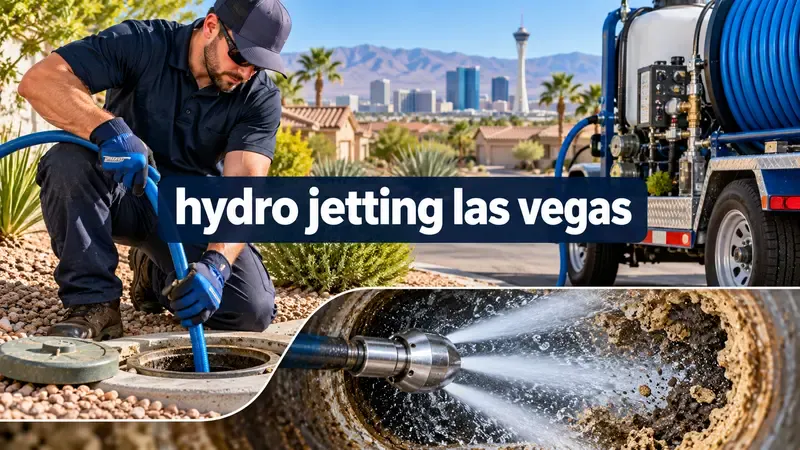
Hydrojet plumbing is a drain-cleaning method that sends high-pressure water through a specialized hose and nozzle. The water loosens deposits and carries debris through the drainage system.
Unlike a household hose, professional equipment allows the operator to select suitable pressure, water flow, and nozzle attachments. These choices matter because different pipes and blockages require different approaches.
The goal is to remove accumulated material from the pipe’s interior. Local service providers describe jetting as an option for grease, sludge, and recurring buildup that may remain after basic clog clearing.
Think of the difference between opening a narrow passage through a dirty pipe and cleaning more of its internal surface. Both approaches can help, but they serve different needs.
How Hydro Jetting Works
A professional appointment should begin with an assessment. The plumber needs to understand the symptoms, locate access, and decide whether water jetting suits the line.
Reviewing the Drain History
Explain which fixtures drain slowly and when the trouble began. Mention previous repairs, repeated blockages, and any cleaning products recently used.
Useful details include whether the problem affects one sink or several fixtures. Also explain whether another plumber previously removed roots or identified pipe damage.
Keep earlier inspection reports available. They can help the technician understand recurring trouble.
Inspecting the Pipe
A camera inspection can help reveal buildup, root intrusion, cracks, and damaged joints. Visibility may be limited when a line contains standing water or a complete obstruction.
Ask what the inspection shows and whether additional clearing is needed before the technician can assess the pipe properly.
Cleaning and Checking Results
Once the technician confirms suitability, they introduce the jetting hose through an appropriate access point. They select equipment settings for the job and work through the affected section.
Afterward, ask how they will verify the result. A follow-up camera view can help document the cleaned area and identify remaining concerns. Leak Experts USA describes both initial inspection and post-cleaning camera verification in its service process.
When Hydro Jetting Las Vegas Services May Help
An occasional clog does not automatically justify a full sewer-cleaning service. The pattern matters more than one isolated incident.
The Same Blockage Keeps Returning
Repeated trouble deserves a closer look. If a drain works briefly after clearing and then slows again, ask whether deposits remain inside the line.
However, do not assume buildup is the only explanation. A damaged section or unsuitable pipe slope may also require investigation.
Several Fixtures Develop Problems
Write down which fixtures are affected. For example, a slow kitchen sink alone presents a different diagnostic picture from a shower backing up when the washing machine drains.
Give the plumber these observations before authorizing treatment. Clear information helps them choose where to investigate.
A Business Has Repeated Drain Disruptions
Restaurants and other busy properties should track drain problems alongside cleaning and maintenance records.
A useful service plan should address the cause, explain the proposed cleaning method, and identify any repairs. Ask how the work will affect operating hours and which fixtures must remain unused.
Previous Clearing Did Not Resolve the Cause
Pay attention to what the last service actually accomplished. Was the obstruction removed? Was the pipe inspected? Did the technician recommend further work?
Those answers help determine whether another cleaning appointment makes sense.
Hydro Jetting vs. Drain Snaking
A drain snake and a water jet are different tools. Neither should be selected simply because it sounds stronger.
Johnny On the Spot explains that snaking can address certain clogs, while jetting may better suit accumulated grease, sludge, and recurring obstructions. The appropriate choice depends on the problem.
| Consideration | Drain snaking | Hydro jetting |
|---|---|---|
| Main action | Uses a mechanical cable or attachment | Uses pressurized water |
| Typical purpose | Breaks through or retrieves an obstruction | Removes suitable accumulated deposits |
| Assessment question | Can the tool reach and clear the clog? | Can the pipe safely tolerate cleaning? |
| Quote details to request | Access, equipment, and clearing scope | Inspection, cleaning scope, and verification |
| Important limitation | Results depend on the obstruction | Results depend on pipe condition and deposits |
Ask the plumber to explain why the recommended method fits your specific line. A clear diagnosis is more useful than a blanket claim that one tool always wins.
Is Hydrojet Plumbing Safe for Older Pipes?
Pipe age alone cannot answer this question. The important issue is its present condition.
An older line may remain serviceable, while a newer installation may have damaged joints or another defect. Ask the technician what evidence supports the proposed treatment.
Johnny On the Spot notes that older pipes need assessment for cracks, corrosion, weak joints, and deterioration before jetting. Fragile sections may require another approach.
Avoid accepting “safe for every pipe” as a complete explanation. Request a recommendation tied to the inspection findings.
Also ask what happens if the technician discovers damage midway through the appointment. Understanding the stopping point and next steps helps prevent confusion about additional work.
What About Tree Roots and Mineral Deposits?
These problems deserve specific questions because cleaning and repair serve different purposes.
Root Intrusion
Ask where roots entered the line and whether the opening needs repair.
Removing accessible root growth may restore flow, but it does not seal the entry point. Johnny On the Spot makes this distinction in its guidance on sewer roots.
Request footage or images showing the affected location. Then ask for separate explanations of clearing, repair, and future monitoring.
Hard Deposits
Do not assume every restricted pipe needs the same treatment. Ask what material the technician sees and which equipment can address it.
If a quote includes descaling, request a description of that work. Confirm whether it forms part of the jetting service or requires a separate mechanical process.
The proposal should explain the expected result without promising that every deposit will disappear.
What Affects Hydro Jetting Las Vegas Costs?
Compare written scopes before comparing totals. A low advertised starting price may describe a different service from the one your property needs.
Ask each provider to clarify these factors:
- Access: Is there a usable cleanout?
- Location: Which drain or sewer section needs treatment?
- Extent: How much of the line does the quote cover?
- Inspection: Are camera checks included?
- Complexity: Does the obstruction require additional equipment?
- Timing: Are emergency or after-hours charges applicable?
- Repairs: Will any damaged sections require separate authorization?
Request the total expected charge, any diagnostic fee, and the circumstances that could change the price.
For example, ask what happens if inspection shows that jetting is unsuitable. You should know which charges still apply before the appointment begins.
Questions to Ask Before Hiring a Plumber
When comparing hydro jetting las vegas providers, focus on the quality of the explanation.
Ask these questions during your initial conversation:
- What assessment will you perform before recommending jetting?
- Is the camera inspection included in the quote?
- Which section of pipe will you clean?
- How will you confirm the result?
- What happens if you discover structural damage?
- Will you explain additional charges before proceeding?
- Can I receive inspection images or footage?
- What does any service guarantee cover?
Also confirm the business name, relevant credentials, insurance information, and contact details.
Read reviews for patterns involving communication and billing. A review that describes a similar drain problem may provide more useful context than a star rating alone.
Choose a provider who can explain the diagnosis in plain language.
How to Prepare for the Appointment
Preparation starts with access and information.
Clear the area around the affected fixtures and any known cleanout. Move stored items so the technician can inspect the space easily.
Tell the company about access restrictions when booking. These may include locked gates, limited parking, or a cleanout behind heavy furniture.
Keep pets away from the work area. For a rental property, coordinate access with the person responsible for authorizing work.
Before the technician starts, agree on the scope and price. Ask which fixtures you can use during the appointment and when normal use can resume.
If the problem has caused an overflow, explain that during booking so the company understands the situation.
Keeping Drains Clear After Cleaning
Ask for maintenance advice based on what the technician actually found.
If the issue involved kitchen waste, review how food scraps and cooking grease enter the drain. Use suitable collection containers rather than relying on the disposal for everything.
For bathroom drains, consider accessible strainers that catch hair before it enters the pipe.
Keep the service report and note when symptoms return. Record which fixture slows first and whether the problem follows a particular activity.
Avoid paying for a fixed cleaning schedule without understanding the reason. Ask what inspection findings, usage patterns, or previous history support the proposed interval.
For commercial properties, assign someone to maintain service records and follow up on repair recommendations.
Frequently Asked Questions
Does every recurring clog need water jetting?
No. Recurring trouble needs diagnosis first. Ask the plumber to identify the likely cause and explain why the selected treatment fits it.
Repeatedly buying the same cleaning service without understanding the cause can leave important questions unanswered.
Can hydrojet plumbing repair a damaged sewer line?
Cleaning and structural repair are separate services. Ask whether the proposal addresses deposits, damaged pipe, or both.
If the inspection reveals a defect, request a repair explanation and a separate scope where appropriate.
How long will the appointment take?
Ask for an estimate based on access, inspection needs, and the suspected obstruction. Also ask whether the company expects to complete diagnosis and cleaning during the same visit.
Leave room in your schedule for the technician to explain the findings.
Should I choose the highest-pressure equipment?
Ask how the equipment suits your pipe and blockage. A useful explanation should cover the cleaning method and operating choices.
Equipment specifications alone do not tell you whether a service is appropriate.
What should I receive after the work?
Request an invoice describing the treated line, the work completed, and any remaining recommendations.
If camera inspection formed part of the service, ask whether the company can provide supporting footage or images.
Conclusion
Choosing hydro jetting las vegas services starts with understanding your drainage problem. Explain the symptoms, request an assessment, and compare written scopes carefully.
Professional hydrojet plumbing may offer a suitable cleaning option when deposits restrict a serviceable line. The strongest proposal explains why the method fits, how results will be checked, and whether repairs remain necessary.